$1.25 In Stock
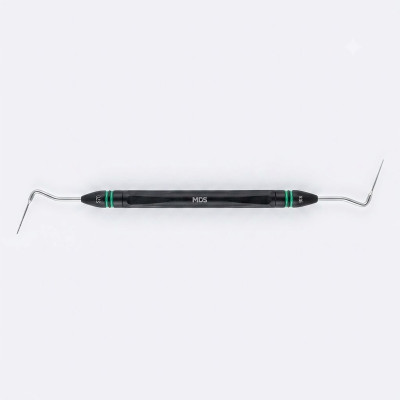
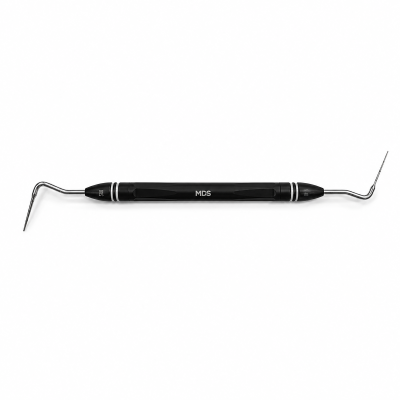
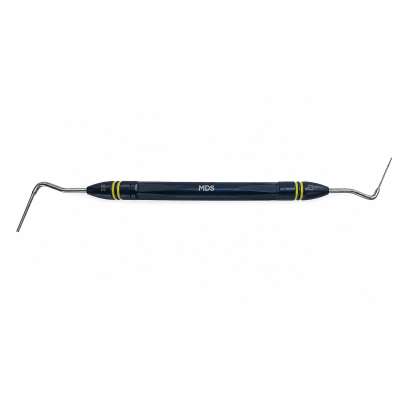
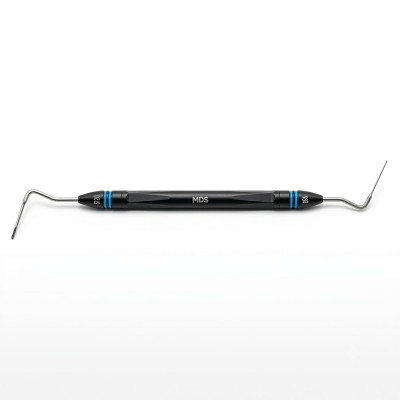
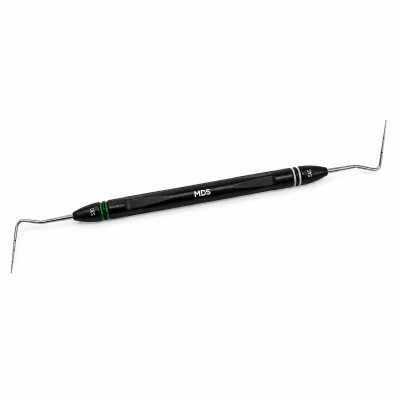
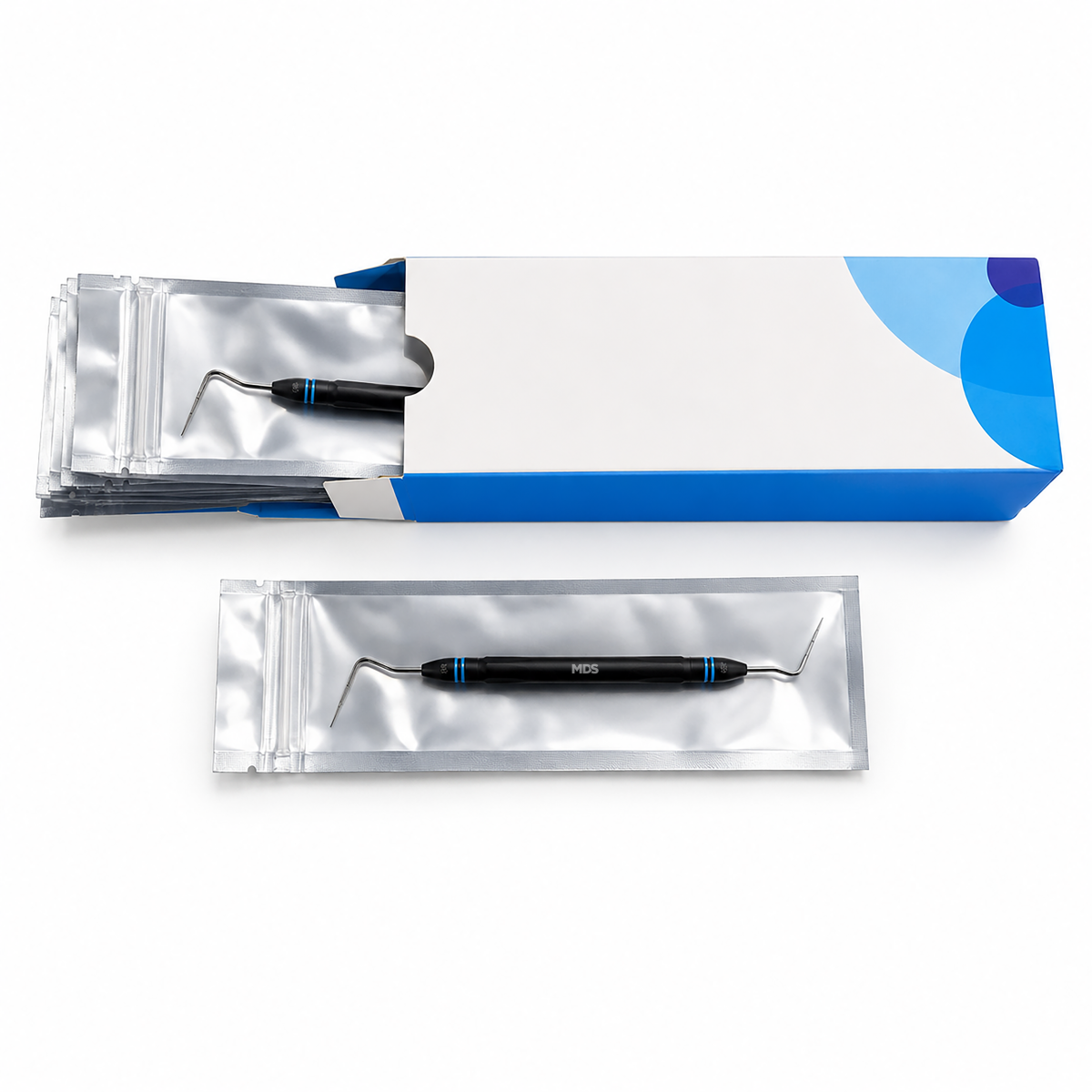
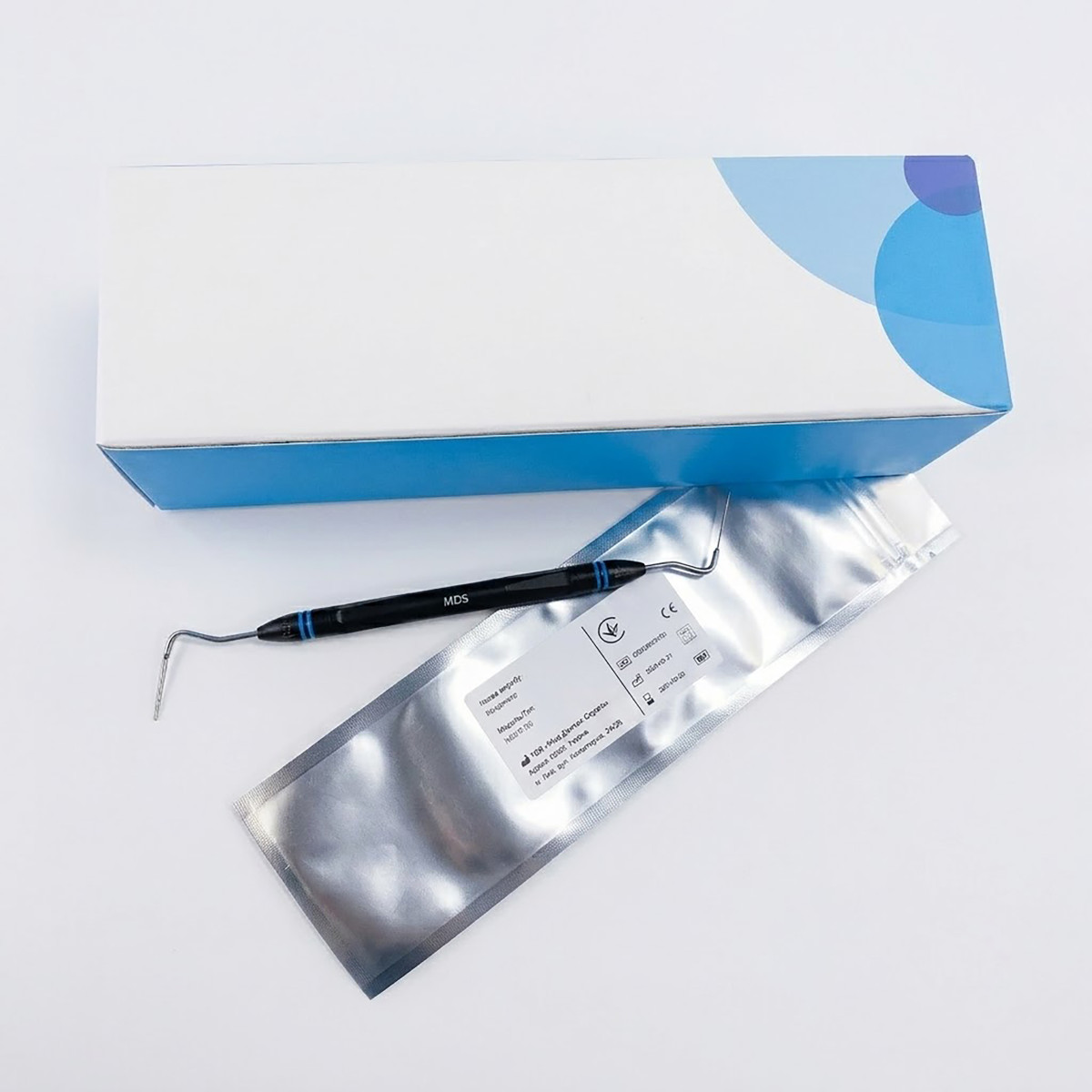
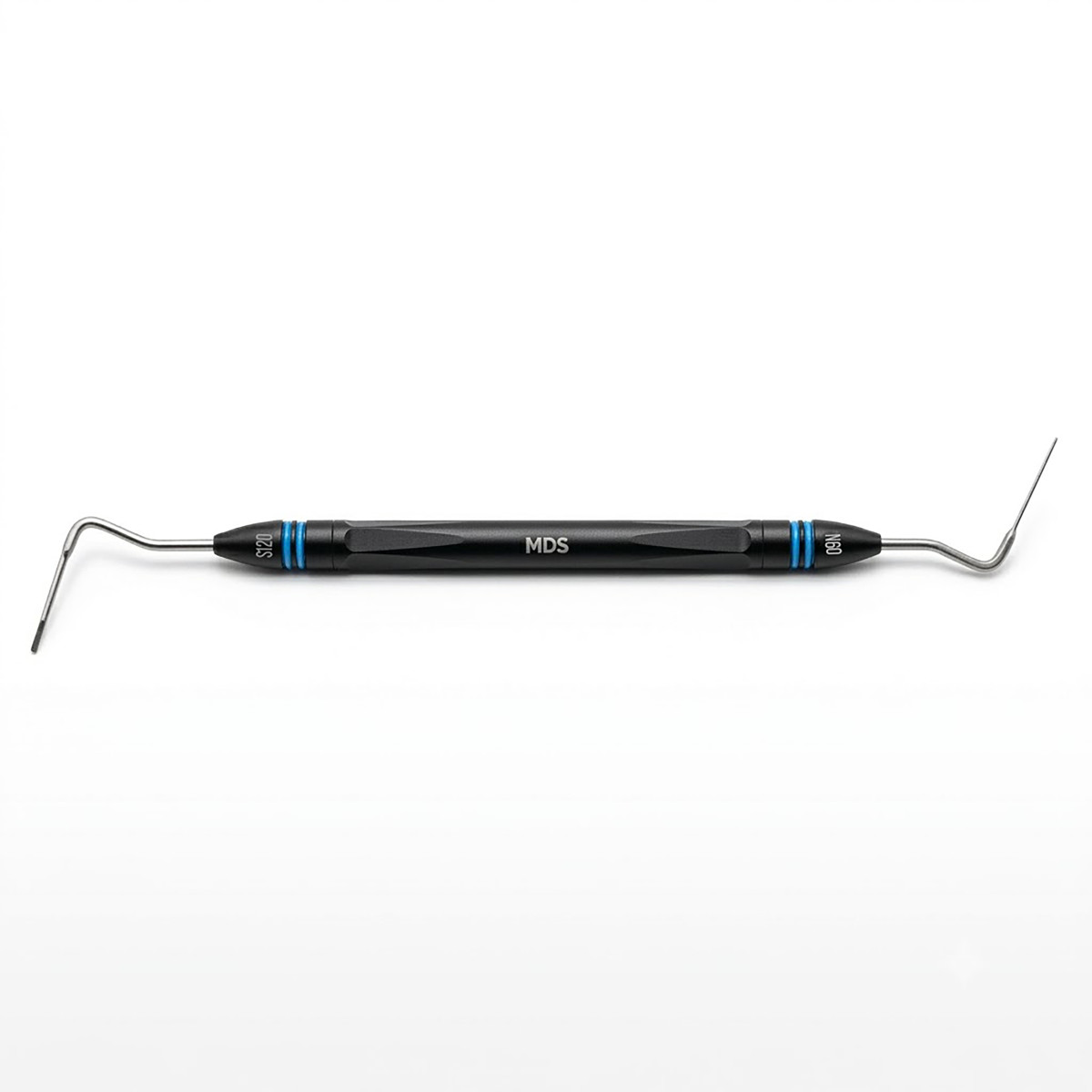
MDS N60/S120 Condenser
| Article: | C60120 |
| Brand: | MDS |
| Availability: | In Stock |
For Wide Canals, It Is Important Not to Increase Force, but to Distribute It Correctly
After high-quality mechanical preparation of the root canal, the next critical stage is achieving a hermetic obturation. Vertical compaction determines how closely gutta-percha adapts to the canal walls, fills irregularities, and minimizes the risk of void formation.
The MDS N60/S120 condenser is designed for use in wide and well-prepared root canals. The instrument combines two working ends: NiTi N60 for controlled work in the apical area and stainless steel S120 for transmitting maximum vertical force during final gutta-percha compaction.
The design follows modern principles of endodontic treatment used by leading manufacturers of hand condensers worldwide. The use of two materials combines flexibility where it is needed with rigidity where maximum compaction efficiency is required.
Designed for Cases Where Standard Sizes Are No Longer Enough
The MDS N60/S120 condenser is recommended for use after canal preparation to ISO 60 and larger, when smaller condensers no longer provide sufficient contact with gutta-percha.
Its use is particularly justified during:
- treatment of teeth with wide, straight canals;
- retreatment after significant canal enlargement;
- work with warm vertical compaction systems;
- obturation after large-size apical preparation.
Two Working Ends — One Working Principle
NiTi N60 — Control Even in a Wide Canal
The 0.60 mm nickel-titanium working end provides an optimal combination of flexibility and stability.
In clinical practice, this means:
- more precise instrument positioning in the apical third;
- even transmission of pressure to the gutta-percha;
- better tactile control;
- reduced risk of excessive localized loading of the canal walls.
S120 — Maximum Efficiency During Final Compaction
The 1.20 mm stainless steel working end is used for gutta-percha compaction in the middle and coronal thirds.
In practice, this provides:
- even compaction of a significant volume of gutta-percha;
- better adaptation of the material to the canal walls;
- effective transmission of vertical force;
- stable control even when working in wide canals.
Who Will Benefit Most from the MDS N60/S120
- Endodontists
After mechanical preparation to ISO 60, using a condenser with the appropriate diameter allows better gutta-percha adaptation than using smaller instruments. - Clinicians Working with Warm Vertical Compaction
The wide working end effectively compacts heated gutta-percha without losing control over vertical pressure. - Retreatment Specialists
After removal of old filling material and re-enlargement of large-diameter canals, the instrument provides more predictable final obturation. - Clinics Working Under an Operating Microscope
The precise geometry of the working tips allows the instrument position to be controlled even under high magnification.
Real Advantages
- Dual-material construction combining NiTi and stainless steel.
- Optimal choice for canals prepared to ISO 60 and larger.
- High level of tactile control.
- Suitable for cold and warm vertical compaction.
- Ergonomic lightweight handle provides comfort during lengthy procedures.
- Reusable after autoclaving.
- Complies with modern international principles of vertical compaction.
Honest About the Limitations
The MDS N60/S120 condenser is not a universal solution for every clinical situation.
Due to the large diameter of its working ends, it is not recommended for narrow or insufficiently prepared canals.
For canals prepared to ISO 25–50, the N25/S50, N35/S70, N40/S80, or N50/S100 models may be more appropriate.
It is also important to remember that even the highest-quality hand condenser does not replace warm gutta-percha injection systems, but serves as an instrument for controlled vertical compaction according to modern clinical protocols.
Expert Commentary
In the premium segment of hand condensers, functional differences between manufacturers are minimal. Most use the same concept: standardized ISO sizes, an ergonomic handle, and working ends made of NiTi or stainless steel. In practice, instrument quality is determined by manufacturing precision, surface polishing, geometric stability after repeated sterilization, and manufacturer reliability. If MDS maintains these parameters, the condenser represents a competitive alternative to products from international brands.
Frequently Asked Questions (FAQ)
- What is the MDS N60/S120 condenser used for?
For vertical compaction of gutta-percha during cold or warm obturation of wide root canals after mechanical preparation. - What does the N60/S120 marking mean?
N60 is a 0.60 mm nickel-titanium working end designed for use in the apical third of the canal.
S120 is a 1.20 mm stainless steel working end used for gutta-percha compaction in the middle and coronal thirds. - When should you choose N60/S120?
This size is recommended for canals prepared to ISO 60 and larger, when smaller condensers no longer provide sufficient contact with gutta-percha. - Can the condenser be used with warm obturation systems?
Yes. The instrument is compatible with modern warm vertical compaction techniques and is used after heating the gutta-percha for its final compaction. - Is the instrument suitable for repeated use?
Yes. The condenser is designed for repeated use and undergoes cleaning, disinfection, and autoclave sterilization in accordance with standard clinical protocols.
To order, contact the managers of the MDS company
+38 (068) 337 37 37
or leave a request, we will call you back:
https://mg-dental.com.ua/#callback
For service or repair issues, contact the MDS service center
https://mg-dental.com.ua/service/