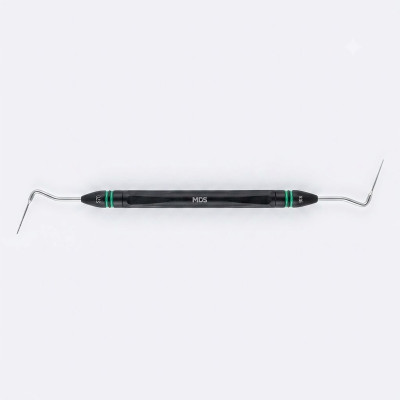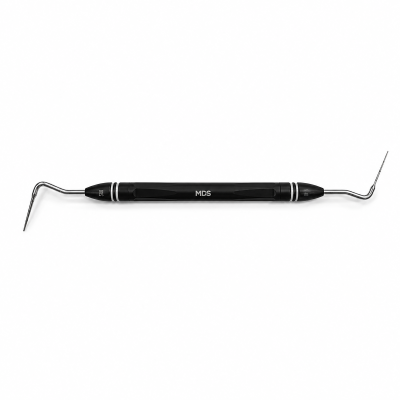
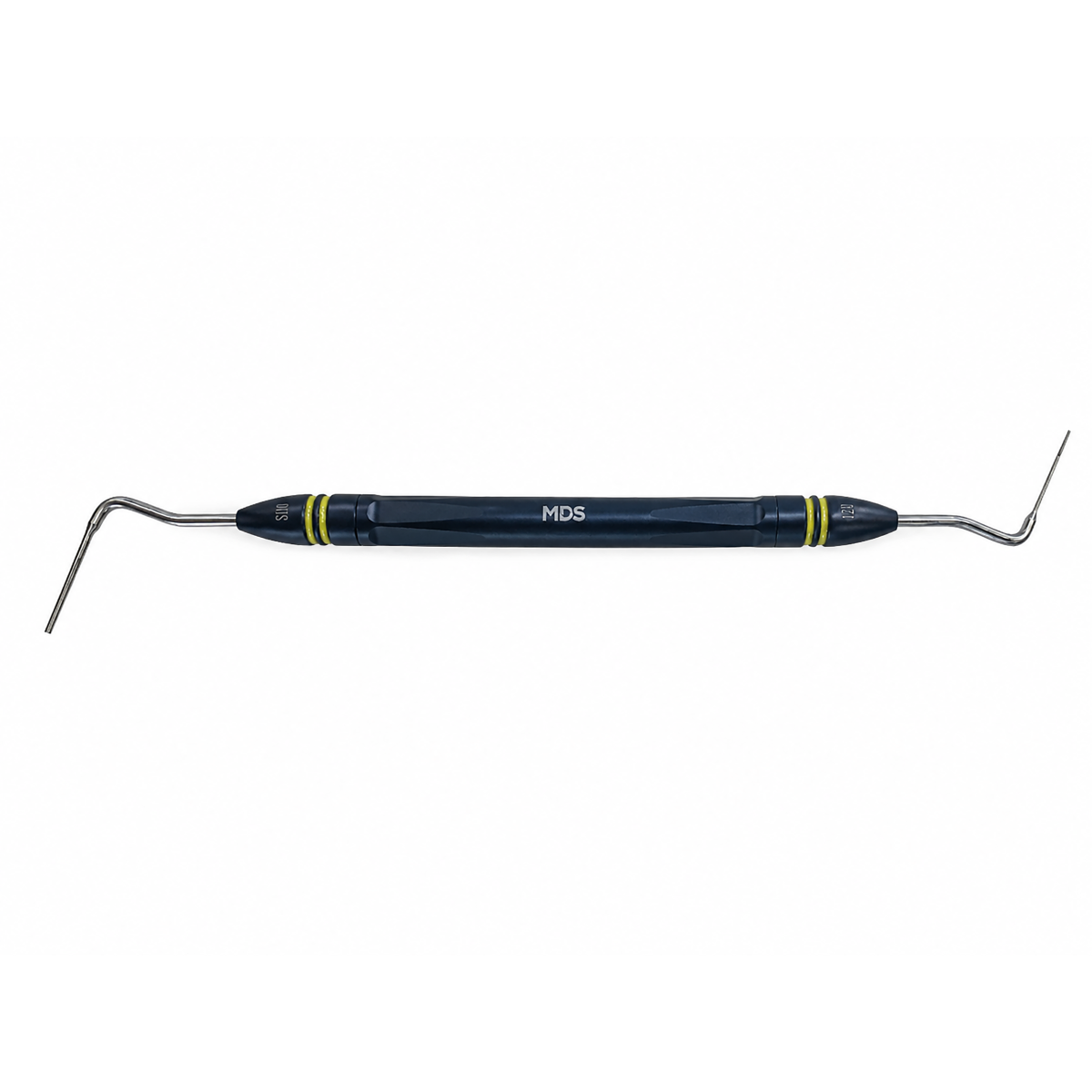
MDS N50/S100 Condenser

We guarantee service Details
Article: C50100
Brand: MDS
Availability: In Stock
$20.00

When the Canal Is Prepared to a Large Diameter, the Condenser Should Work With the Anatomy, Not Against It

High-quality root canal obturation depends not only on the choice of sealer or gutta-percha. It is equally important to achieve uniform and controlled compaction of the material along the entire length of the canal. At this stage, choosing the right condenser becomes crucial.
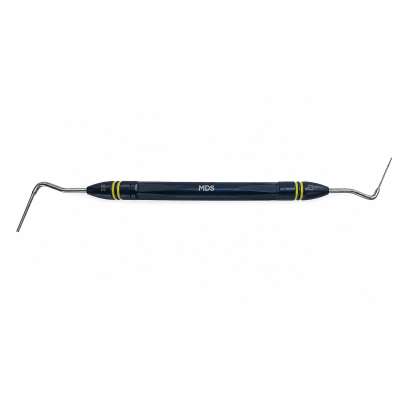
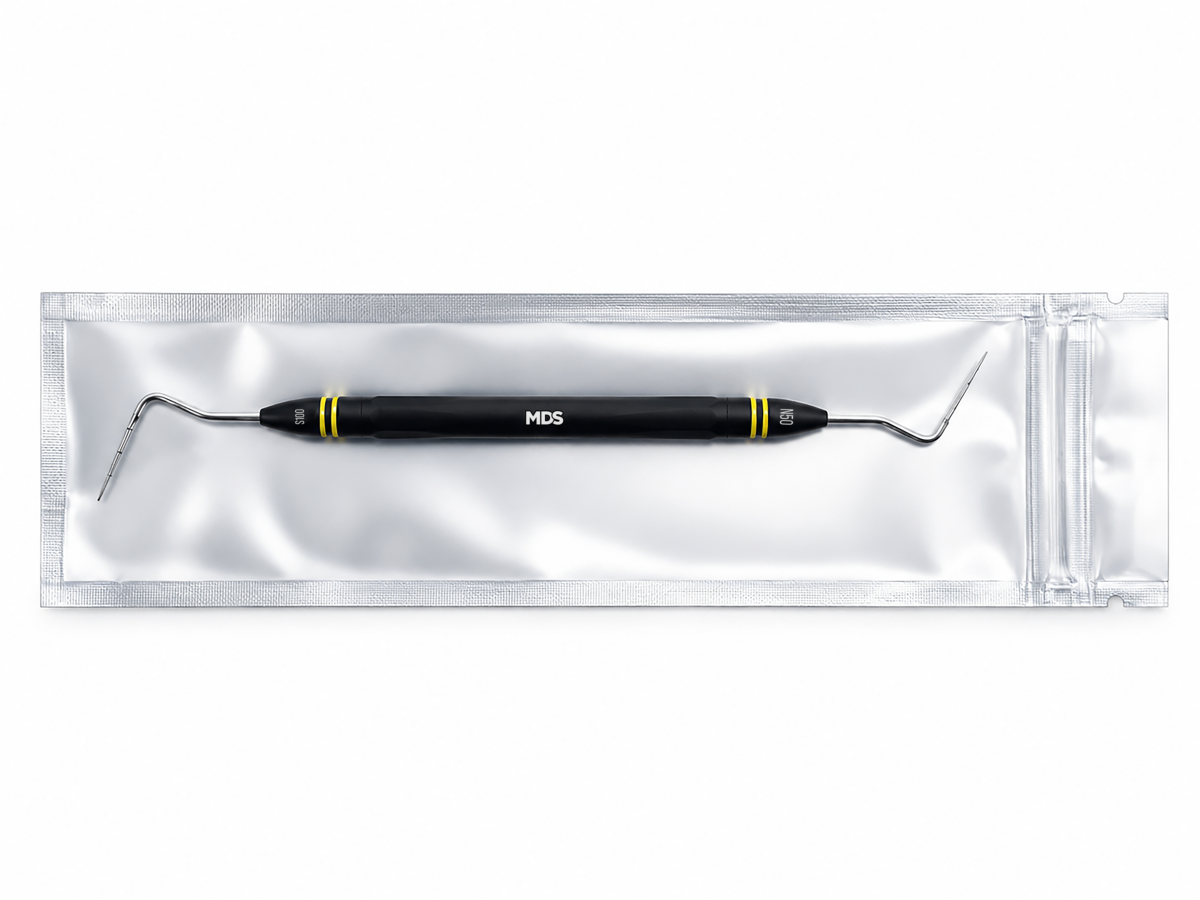
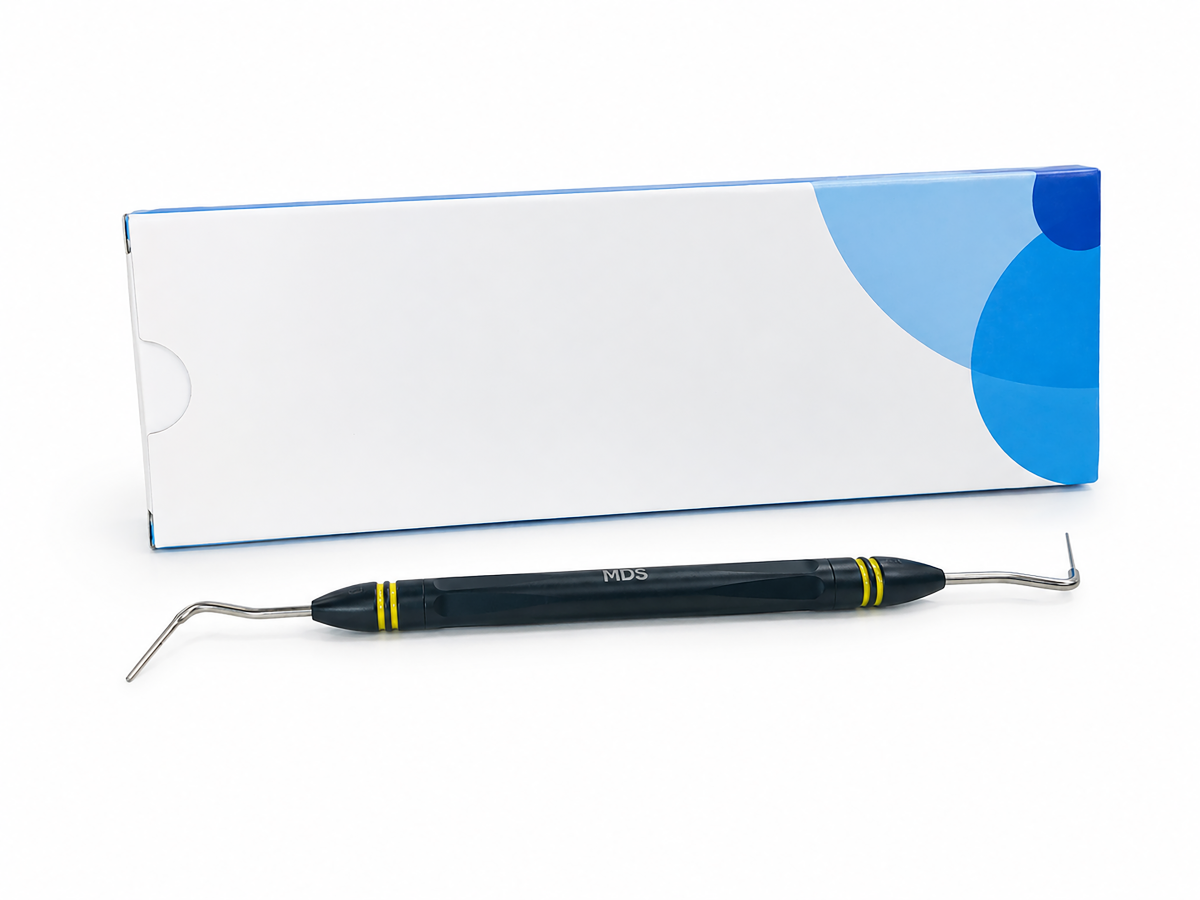
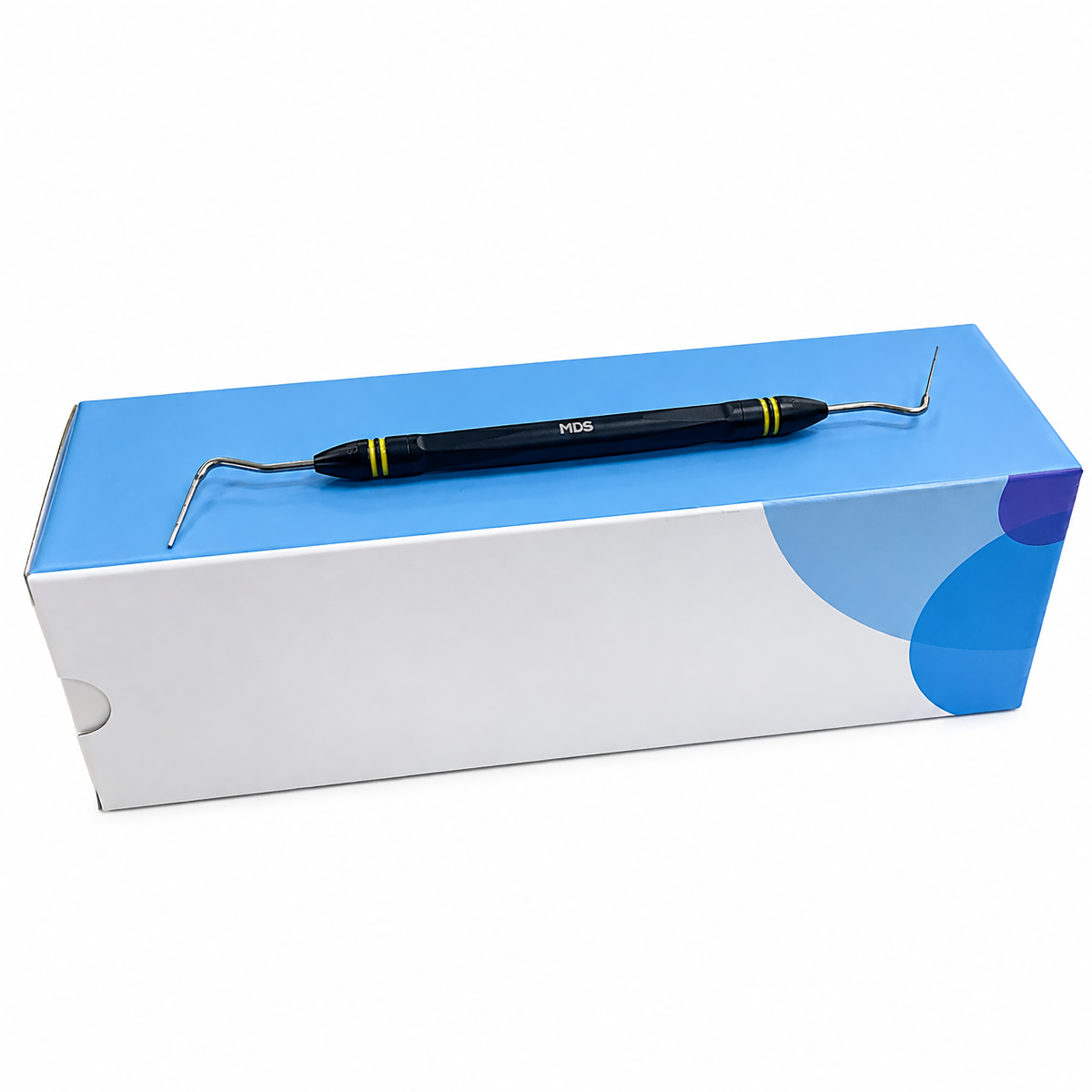
The MDS N50/S100 condenser is designed for vertical compaction of gutta-percha in large-diameter canals after mechanical preparation. The instrument combines two working ends: a flexible NiTi N50 for work in the apical area and a rigid stainless steel S100 for effective gutta-percha compaction in the middle and coronal thirds.
This approach complies with modern international endodontic treatment protocols and is used by leading manufacturers of endodontic instruments.

Designed for Complex Clinical Cases Where Maximum Sealing Is Essential

The MDS N50/S100 condenser is intended for clinicians working with canals after significant mechanical enlargement or using the warm vertical compaction technique.
Thanks to the larger working-end diameters, the instrument provides optimal contact with gutta-percha, allowing the required vertical force to be transferred without losing tactile control.

Two Working Ends — Two Different Stages of Compaction

NiTi N50 — Control in the Deep Sections of the Canal

The 0.50 mm nickel-titanium working end combines sufficient rigidity with the natural flexibility of NiTi alloy.
In practice, this allows:

  • working in prepared canals without excessive loading;
  • maintaining stable contact with gutta-percha;
  • better control of compaction force;
  • reducing the risk of material displacement during compaction.

S100 — Maximum Force Transmission

The 1.00 mm stainless steel working end is used for final gutta-percha compaction in the middle and coronal thirds of the canal.
In practice, this means:

  • more even distribution of vertical pressure;
  • effective compaction of large volumes of gutta-percha;
  • better adaptation of the material to the canal walls;
  • the ability to work in wide canals without using excessively thin condensers.

For Which Specialists Will It Be Most Useful

  1. Endodontists
    After mechanical preparation to ISO 50 or larger, using a condenser with the appropriate diameter allows significantly more effective gutta-percha compaction than using smaller instruments.
  2. General Dentists
    Provides a more predictable result when treating wide canals without the need to use several different types of instruments.
  3. Clinics Working Under an Operating Microscope
    Thin, precisely finished working ends provide good visual control even under significant magnification.
  4. Educators and Training Centers
    The instrument demonstrates the classic principle of vertical compaction and helps clinicians practice modern obturation protocols.

Real Advantages

  • Combination of two materials — NiTi and stainless steel — in one instrument.
  • Optimal diameter for working after canal preparation to ISO 50.
  • High tactile control during gutta-percha compaction.
  • Suitable for cold and warm vertical compaction.
  • Ergonomic handle reduces hand fatigue during lengthy procedures.
  • Reusable after cleaning and autoclaving.

Honest About the Limitations

No universal condenser can be equally effective in every clinical situation.
The MDS N50/S100 is not recommended for narrow or insufficiently enlarged canals, as the large working-end diameter may make it difficult to reach the working length.
For canals prepared to ISO 25–40, the N25/S50, N35/S70 or N40/S80 models may be more appropriate.
It is also important to note that a hand condenser does not replace hot injection obturation systems, but remains an important instrument for performing vertical compaction according to modern endodontic protocols.

Expert Conclusion

In the segment of hand endodontic condensers, most premium manufacturers use the same basic concept: working ends in standard ISO sizes, an ergonomic handle, and NiTi or stainless steel materials. Therefore, the key factors are not marketing claims but manufacturing precision, geometric stability, quality of working-surface polishing, durability, and service support. If MDS maintains control over these parameters, the instrument represents a full-fledged alternative to products from international brands.

Frequently Asked Questions (FAQ)

  1. What is the MDS N50/S100 condenser used for?
    For vertical compaction of gutta-percha during cold or warm obturation of root canals after mechanical preparation.
  2. What does the N50/S100 designation mean?
    N50 is a 0.50 mm nickel-titanium working end designed for work in the apical portion of the canal.
    S100 is a 1.00 mm stainless steel working end for gutta-percha compaction in the middle and coronal thirds.
  3. When should you choose the N50/S100?
    When the canal has been prepared to ISO 50 or larger and an instrument is required to provide close contact with gutta-percha and effective transmission of vertical force.
  4. Is the instrument suitable for warm vertical compaction?
    Yes. The condenser can be used with both cold and warm vertical compaction techniques, including after the use of gutta-percha heating systems.
  5. Can the condenser be autoclaved?
    Yes. The instrument is designed for repeated use and is compatible with standard cleaning, disinfection, and autoclaving protocols.


To order, contact the managers of the MDS company 
+38 (068) 337 37 37

or leave a request, we will call you back:
https://mg-dental.com.ua/#callback

For service or repair issues, contact the MDS service center
https://mg-dental.com.ua/service/

Reviews

There are no reviews for this product.

Viewed