
Sale

$1,350.00 $1,000.00 In Stock
| Article: | DS-4187 |
| Brand: | Eighteeth |
| Availability: | In Stock |
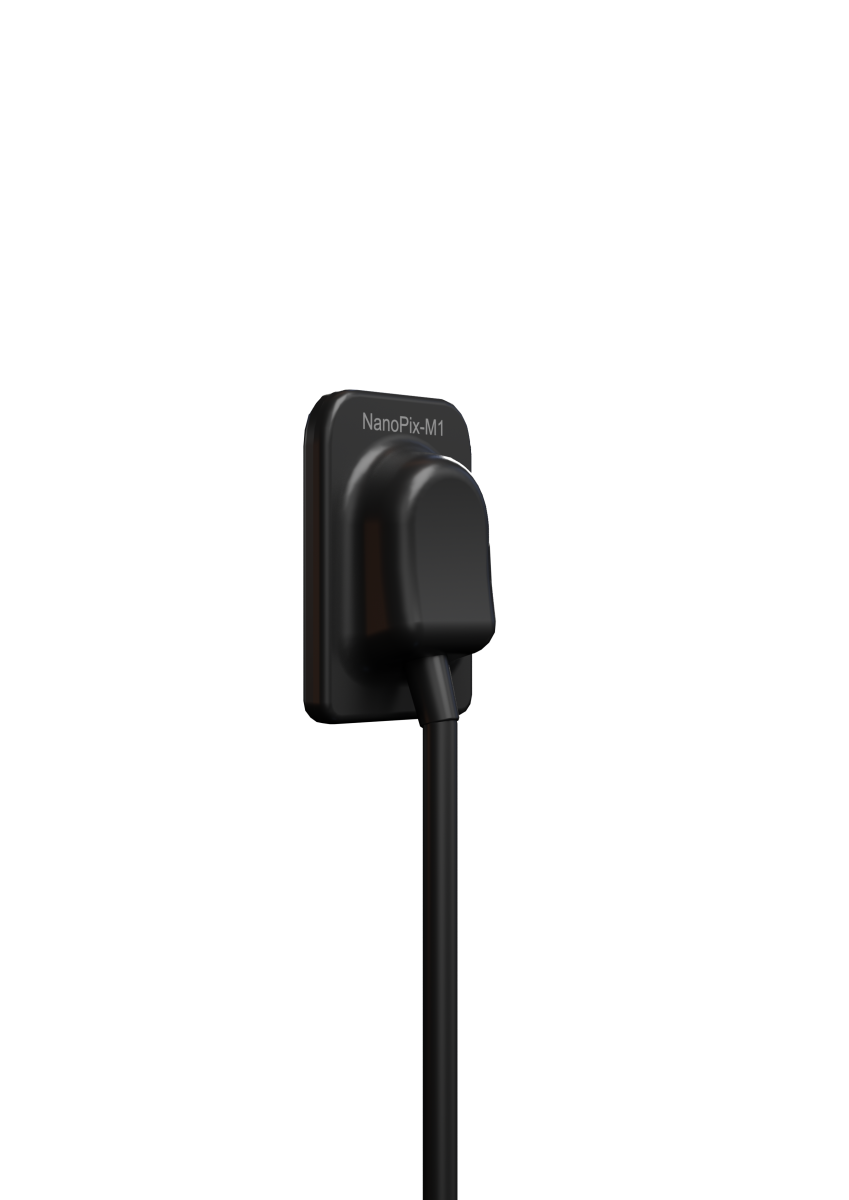
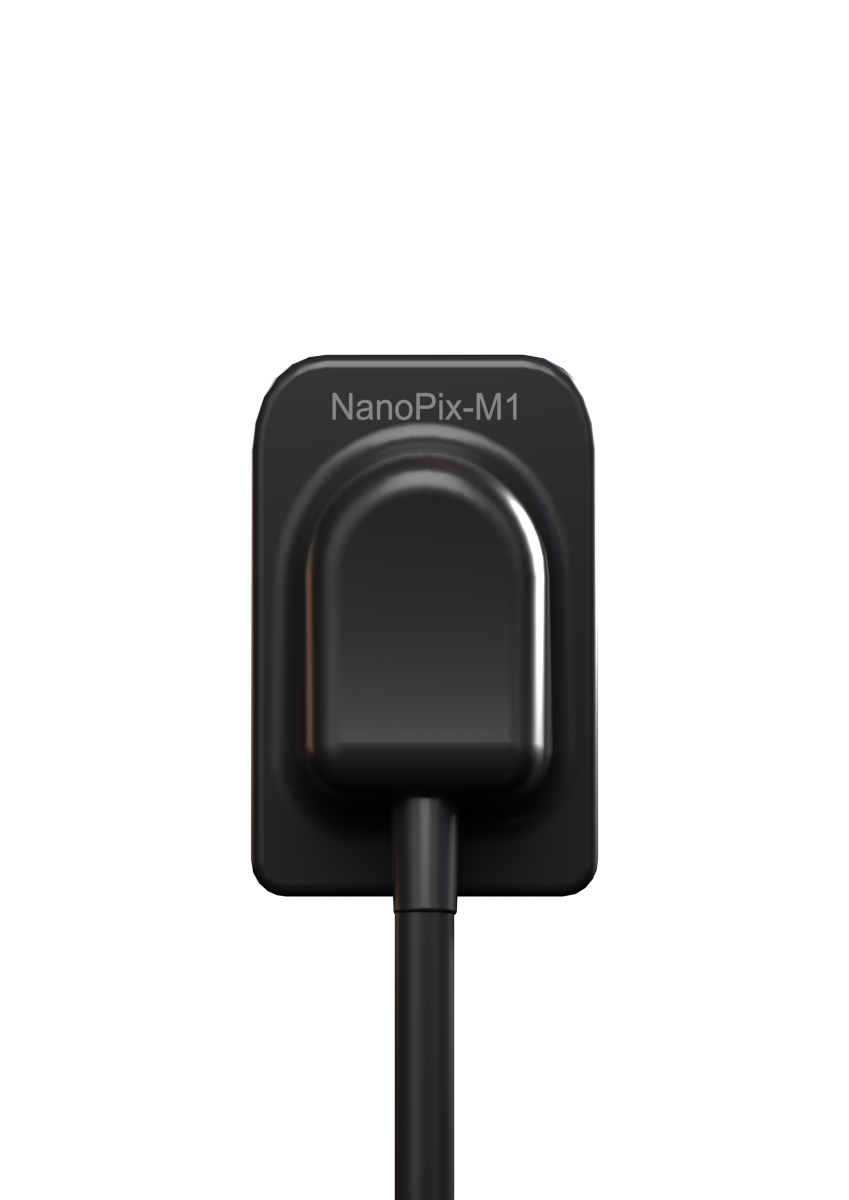
NanoPix M1 is an intraoral CMOS sensor designed for clinics where X-ray images are taken frequently and must be readable on the first attempt.
Its logic is simple: stable image quality, predictable exposure, patient comfort, and minimal setup steps.
• clinics with a high patient flow;
• doctors who do not want to depend on sensor “quirks”;
• service environments where reliability and quick replacement without long downtime are critical.
NanoPix M1 uses a CMOS matrix with high X-ray absorption efficiency.
In practice, this means:
• clear visualization of the periodontal ligament space;
• confident apex readability;
• stable contrast without overexposure or crushed shadows.
This is a case where you don’t need to “twist” the image for 30 seconds to understand what is happening.
• Thin housing and rounded edges — less discomfort, especially for patients with a pronounced gag reflex.
• Proper rigidity — the sensor does not flex in the mouth, yet does not cause pressure.
• fast image readout;
• stable operation with most popular software platforms (SIDEXIS, VixWin, i-Dixel, Carestream, Open Dental, etc.);
• minimal need for reconfiguration when changing a PC or X-ray unit.
| Parameter | What does this mean in practice |
| Matrix type | CMOS |
| Theoretical resolution | up to ~25 lp/mm — enough for endo and therapy |
| Dynamic range | better readability of both dense structures and soft tissues |
| Image acquisition time | < 3 sec — the doctor does not "fall out" of the appointment |
| Active zone size | optimal for periapical + bitewing |
| Housing protection | moisture protection, tightness |
| Connection | USB (without separate blocks) |
|
Criterion |
NanoPix M1 |
DEXIS Platinum |
Planmeca ProSensor HD |
Carestream RVG 6200 |
| Real detail | **** | ***** | ***** | **** |
| Patient comfort | **** | **** | ***** | *** |
| Software stability | **** | ***** | ***** | **** |
| Price / result | ***** | ** | ** | *** |
| Service availability | **** | *** | *** | **** |
| Flow feasibility | ***** | *** | *** | **** |
NanoPix M1 wins by balance rather than competing for maximum figures. Where DEXIS or Planmeca may be justified for highly specialized tasks, NanoPix is more logical as a workhorse for everyday clinical practice.
• stable image quality without surprises;
• adequate patient comfort;
• simple connection and staff training;
• pricing that is justified by real clinical use, not marketing.
• not intended for ultra-scientific research;
• no “ecosystem” features typical of closed brands;
• fewer software “extras,” but greater predictability.
• clear secondary caries diagnostics;
• confident bitewing images without retakes.
• stable apex visualization;
• working length control without overexposure.
• high-quality evaluation of restoration margins;
• control of prosthetic fit.
• predictable post-extraction monitoring;
• readable images for implant planning.
Is NanoPix M1 suitable for endodontics?
Yes. Its level of detail is sufficient for apical control and work with fine canals.
Is the sensor compatible with popular software?
Yes, it works with most dental software platforms without complex setup.
Is it comfortable for patients?
Yes. The thin housing and rounded edges significantly reduce discomfort.
Is it worth overpaying for top brands?
If you need ecosystem features — possibly.
If you need a stable working result — NanoPix M1 is the more logical choice.
To order, contact the managers of the MDS company
+38 (068) 337 37 37
For service or repair issues, contact the MDS service center
https://mg-dental.com.ua/service/
$1,350.00 $1,000.00 In Stock

$1,500.00 $1,280.00 Ends

$1,150.00 In Stock
$1,050.00 In Stock